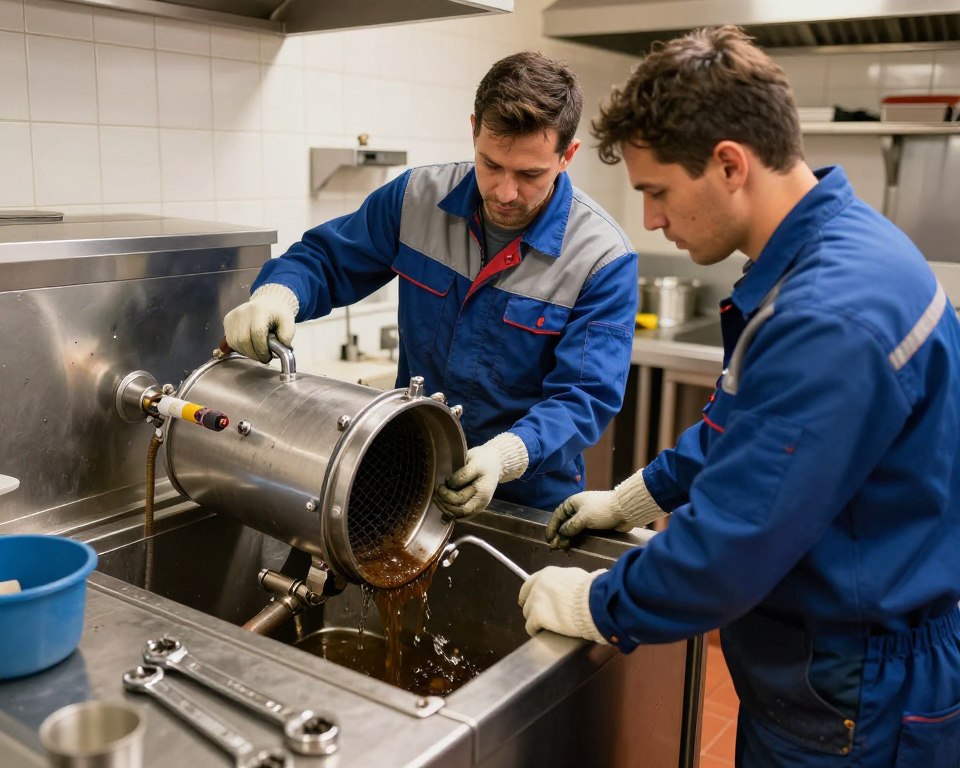
Close to 1 in 5 Los Angeles County homes use septic systems — a striking figure that highlights how important proper upkeep is in communities such as Santa Clarita. Septic Tank Emptying in Santa Clarita helps homes, businesses, RVs, trailers, and studio units operate safely while preventing costly backups and health hazards.
More Information About Septic Tank Emptying in Santa Clarita
Septic Services of LA offers Santa Clarita septic tank service and professional septic tank cleaning throughout Santa Clarita, Los Angeles County, and the Antelope Valley. Their scope covers routine septic tank pumping and emptying for residential and commercial accounts, on-location RV and holding-tank service, and support for studio trailers and seasonal properties.
Scheduling commonly requires your first name, last name, phone number, email, service address, and whether you are a new customer. After you submit a request, a company may contact you by phone or automated message (message frequency varies; msg & data rates may apply). Septic Services of LA serves as the top-rated septic tank company featured in this guide and will be mentioned throughout as a service example.
This page is designed to be your efficient, reliable resource for septic tank emptying in Santa Clarita and to help you find a local Santa Clarita septic tank service or professional septic tank cleaning provider you can trust.
Main Takeaways
- Many Santa Clarita properties use septic systems, making regular emptying essential.
- Septic Services of LA provides routine pumping for homes, businesses, RVs, and trailers.
- Scheduling requires basic contact and address details; automated contact is common.
- Professional septic tank cleaning prevents backups, protects health, and extends system life.
- This guide shows you how to locate a Top-Rated Septic Tank Company serving Santa Clarita.

Why Ongoing Septic Tank Emptying Matters In Santa Clarita
Regular maintenance keeps septic systems functioning and properties protected. Septic Tank Emptying in Santa Clarita helps prevent sewage backups, reduces odor problems, and lowers the risk of pathogens reaching yards and groundwater. Homeowners in the area benefit when Santa Clarita septic system experts recommend timely service based on real conditions.
Protecting Property And Community Health
If left unmanaged, untreated waste can seep into basements, yards, and nearby creeks. Routine pumping helps reduce exposure to harmful bacteria and limits foul odors that impact neighbors and visitors. With professional septic tank cleaning, solids are removed properly and tanks are returned to safe operating condition.
Avoiding Expensive Repairs And System Failure
When left untreated, accumulating sludge and scum can trigger premature repairs or complete tank replacement. Routine emptying helps extend the life of pipes, pumps, and leach fields. Santa Clarita septic system experts frequently identify minor issues during service visits and address them before they become costly emergencies.
Local Soil, Climate, And Usage Factors That Affect Pump Frequency
Santa Clarita’s dry summers and clay-heavy or compacted soils affect how quickly septic systems fill. High household usage, short-term rentals, and frequent RV hookups can increase pumping demand. Providers like Septic Services of LA and other local teams customize emptying schedules based on soil type, tank size, and usage, recommending intervals that fit each property.
- Homes with standard use: check every 1–3 years with professional septic tank cleaning as needed.
- High-use or commercial sites: inspect yearly and empty more often.
- Small holding tanks or systems without leach lines: usually need more frequent service.
Working with qualified providers ensures maintenance fits both the site and lifestyle. Routine septic tank emptying in Santa Clarita combined with expert guidance from Santa Clarita septic system experts lowers health risks and saves money over time.
Septic Tank Emptying In Santa Clarita Explained
Proper emptying keeps systems healthy and prevents foul backups that disrupt daily life. Homeowners, RV owners, and businesses in the area depend on routine service to protect property and avoid expensive repairs. Below are clear guidelines and practical signs to help you know when to call a Santa Clarita septic tank service.
Recommended Service Intervals For Homes, RVs, And Commercial Properties
Most residential tanks need pumping every 1–2 years. Frequency changes with tank size, household size, and system type. Smaller tanks or large families require more frequent attention.
RVs, motorhomes, travel trailers, and holding tanks often require on-site service sooner than residential home systems. Mobile pumping cuts down on dump-station trips and keeps recreational vehicles ready to go.
Commercial properties with high use, such as restaurants or motels, require tailored schedules. Local providers often combine inspections with regular septic tank pumping California service plans to determine the proper interval.
Warning Signs You Need Immediate Septic Tank Emptying
Slow drains in sinks and showers can indicate that the tank is full. Also watch for sewage backups or strong odors indoors and outdoors.
If the lawn near the drain field looks extra green or soggy, effluent may be surfacing. Contact a provider for emergency septic tank pumping if tank levels are high during inspection or if waste appears in household fixtures.
Do not ignore persistent gurgling in pipes or rapid pooling of water after light use. These warning signs usually mean prompt action is necessary.
How Local Septic Providers Handle Scheduling And Service
Local companies such as Septic Services of LA, Kurt Bohmer’s Plumbing & Drain Service, and Platinum Pro Portables maintain scheduled service options as well as 24/7 fleets. Booking is usually handled by phone or online request form, with customers providing contact details and site information.
When crews arrive, they check tank access and condition before performing pumping with vacuum trucks. Mobile RV service is performed on-location so holding tanks do not need to be unnecessarily transported.
Providers customize service plans according to usage patterns and system style. When rapid response is needed, providers coordinate Emergency Septic Tank Pumping to limit property damage and return the system to service quickly.
Services Offered By Santa Clarita Septic Tank Service Providers
Septic providers in the area offer a broad range of services for homes, businesses, and mobile units. These teams combine hands-on field experience with modern equipment to keep systems safe and compliant throughout Santa Clarita and surrounding valleys.
Residential And Commercial Septic Tank Pumping And Emptying
Regular septic tank pumping and emptying supports proper system function and reduces backup risk. Fleets of vacuum trucks perform scheduled service for single-family homes, apartment complexes, restaurants, and light commercial properties. Technicians follow best practices for waste handling to meet county rules and protect yards and leach fields.
RV, Trailer, And Holding-Tank Pumping At Your Location
Mobile sanitation teams provide on-site pumping for RVs, motorhomes, travel trailers, film-production trailers, and portable holding tanks. This on-location service eliminates unnecessary disposal-site trips and helps reduce downtime for commercial fleets. A number of companies provide flexible appointments and temporary holding-tank solutions that increase onsite capacity.
Inspections, Video Camera Inspections, And Septic Certifications
Providers offer everything from routine septic checks to full video camera inspections of system lines. Video diagnostics can identify clogged pipes, root intrusion, and drain-field problems without invasive digging. Many providers also issue reports and certifications for real estate sales, permit requirements, and regulatory compliance.
Septic Repairs, Tank Replacements, And System Design/Installation
Full-service contractors handle repairs, tank replacements, cesspool drilling, and complete system design and installation. Offerings often include pump replacement, baffle repair, drain-field restoration, and chemical treatment plans customized to system size and soil type. A company like Kurt Bohmer’s Plumbing & Drain Service reflects deep local experience, with 35+ years serving the Santa Clarita Valley, Antelope Valley, and Ventura County.
Property owners looking for professional septic tank cleaning, septic tank pumping California, or reliable septic tank disposal services can find licensed teams that combine safety training with transparent pricing. Routine maintenance plans help reduce emergencies and extend system life.
What To Expect During Professional Septic Tank Cleaning
When a team arrives for professional septic tank cleaning, you can expect a prompt check-in and a short site review. Technicians confirm name, phone, and address, note new-customer status if needed, and inspect access points. The visit begins with a safety walk to identify hazards and ensure clear access to the tank.
Safety protocols come first. Crews wear PPE, place containment pads, and use proper grounding for electrical equipment. Santa Clarita septic system experts use industry best practices to reduce exposure, control odors, and prevent spills at the site.
The pumping process uses vacuum trucks to remove both solids and liquids from the tank. Crews inspect inlet and outlet baffles before and after pumping. During Septic Tank Pumping California service, crews watch flow and tank levels closely to avoid over-pumping or damaging the system.
The pumped waste is then hauled to permitted treatment or disposal facilities located within Los Angeles County. Companies follow local regulations and use sealed hoses and covered holding tanks to help reduce odors and contamination during transport.
Once service is complete, technicians perform system checks to verify inlet and outlet performance and identify signs of cracks or leaks. Many companies also offer video inspections and document any repair needs for the homeowner.
Customers are usually given service documentation listing the date, work performed, and recommended maintenance intervals. Santa Clarita septic system experts frequently recommend tailored schedules based on system type and household size to help extend system life.
If repairs or follow-up are required, crews will outline options and expected timelines. Clear records and routine scheduling simplify future Septic Tank Pumping California needs and help protect property value and public health.
How To Choose A Top-Rated Septic Tank Company In Santa Clarita
Choosing the right company matters for long-term system health and regulatory compliance. Choose a top-rated septic tank company with active state licenses plus hauling and liability insurance. Verify that the provider follows Los Angeles County disposal requirements and has treatment affiliations for legal waste transport and disposal.
Experience in the local area helps prevent unnecessary surprises. Providers with deep experience in Santa Clarita and the Antelope Valley understand soil conditions, seasonal flow changes, and permit expectations. Ask Santa Clarita septic system experts about past jobs in the valley, and request technician credentials and continuing-education documentation.
Review online feedback and ask neighbors, property managers, and local contractors for referrals. Companies such as Kurt Bohmer’s Plumbing & Drain Service and Platinum Pro Portables have public reviews that emphasize reliability and response times. Those reviews can help verify punctuality, cleanup habits, and billing fairness.
Request several written estimates and compare the line items instead of just the headline price. A transparent quote should include pumping, disposal fees, permit costs, inspection charges, and any emergency premiums. Confirm whether the Santa Clarita septic tank service estimate covers transport to licensed facilities and post-service inspections or certifications.
Ask about warranties, follow-up inspections, and emergency response windows. A reputable top-rated septic tank company should provide documentation, answer treatment-method questions, and connect you with Santa Clarita septic system experts when repairs or design changes are needed.
Affordable Septic Tank Maintenance And Cost Factors
Maintaining a healthy septic system begins with understanding the main cost drivers and service options. Pricing for pumping and septic tank emptying is influenced by tank size, accessibility, distance to disposal facilities, and any extra camera inspections or repairs needed during service.
Labor, equipment, and disposal fees all contribute to the final price. A cramped yard or hard-to-reach tank can raise the price because crews may need extra time and equipment. Travel distance to licensed disposal sites matters for Septic Tank Pumping California, as hauling and tipping fees change across Los Angeles County and nearby regions.
Main Cost Factors
- Tank capacity plus overall condition
- Ease of access and excavation needs
- Volume of waste and disposal fees
- Extra diagnostics such as video inspection
- Remote travel fees or after-hours charges
Ways To Keep Long-Term Costs Lower
Scheduled maintenance lowers repair risk. Pumping at the recommended one- to two-year interval helps prevent solids from blocking drain fields. Regular inspections help identify broken baffles and slow leaks before they lead to full replacement.
For RVs and trailers, external holding tanks or portable waste options may reduce pumping frequency. Selecting a local company with transparent pricing and a clearly defined service scope can help avoid surprise fees.
About Emergency Septic Tank Pumping
Emergency service usually comes with premium pricing. Fast dispatch, weekend or night work, and immediate disposal requirements all increase costs compared with routine visits. Watch for urgent symptoms like backups, strong sewage odors, or yard flooding so you can request emergency septic tank pumping and reduce the risk of structural damage.
To balance budgets, compare quotes from licensed providers, ask about bundled maintenance plans, and confirm disposal and labor fees up front. Consistent care and timely response can help prevent costly replacements and keep Septic Tank Pumping California costs more manageable over the long run.
Reliable Septic Tank Disposal Services And Environmental Compliance
Correct disposal of pumped sewage supports neighborhood safety and proper system function. Licensed haulers move waste to permitted treatment plants in Los Angeles County. Local companies such as Septic Services of LA handle transfers in accordance with county and state rules.
How pumped waste is handled in Los Angeles County
Sealed vacuum transfer systems are used on trucks to prevent leaks during transport. Drivers follow county-required manifests and route plans. Treatment facilities only accept waste that meets their standards, so haulers verify tank contents before arriving.
Environmental rules and best practices for disposal and treatment
California rules require documentation and treatment that prevents groundwater contamination. Treatment plants test incoming loads and apply standards for solids and biological contaminants. When required, companies keep documentation of disposal activity and lab results.
Company practices to minimize odors, spills, and contamination
Professional septic tank cleaning crews use secondary containment and routine equipment checks to lower risk. Staff train in spill response and odor control. A reliable Santa Clarita septic tank service should be able to provide maintenance logs, manifests, and safety procedures upon request.
Santa Clarita Septic System Experts: When To Call
Local septic technicians manage many different repairs and upgrades for residential and commercial properties. Typical work includes inlet and outlet baffle repair, tank replacement, drain-field restoration, cesspool installation, pump replacement, and complete system design upgrades. Companies including Kurt Bohmer’s Plumbing & Drain Service and comparable contractors perform repair, replacement, and full installation work across the valley.
Typical repair work often begins with an onsite evaluation and camera inspection to locate blockages or structural problems. When upgrades are needed, providers recommend solutions that meet Los Angeles County codes and extend system life. Routine fixes prevent small issues from becoming major disruptions for property owners.
Call 24/7 when you face sewage backups, overflowing tanks, strong sewage odors, or standing sewage on your yard. These situations pose health risks and can cause rapid property damage. Quick action limits contamination and lowers repair costs when Emergency Septic Tank Pumping becomes necessary.
Emergency response teams gather essential details by phone or online request form to speed up dispatch. Septic Services of LA and other local contractors keep fleets ready for on-location RV and trailer pumping as well as home emergencies. Providing an address, access notes, and a brief description helps crews arrive prepared.
Skilled providers use local traffic knowledge and real-time routing tools to prioritize emergency calls across Santa Clarita and Antelope Valley. Coordinated communication between dispatchers and field teams shortens wait times for customers in urgent need. Experienced teams follow safety protocols during emergency septic tank pumping to protect people and the environment.
When planning non-urgent upgrades, ask about system design improvements that reduce future service frequency and improve reliability. Santa Clarita septic system experts can develop maintenance plans that match household size, soil conditions, and local rules. Routine maintenance combined with trusted contractors helps lower the risk of surprise emergencies.
Final Thoughts
Routine Septic Tank Emptying in Santa Clarita is important for safeguarding property, public health, and the local environment. Routine pumping prevents backups, costly repairs, and groundwater contamination. In most households, planning service every 1–2 years according to system size and household usage helps keep the system dependable for the long term.
Partner with a top-rated septic tank company and require licensed technicians along with proper documentation. Combine scheduled pumping with inspections and timely repairs to avoid emergency calls. Affordable Septic Tank Maintenance programs from trusted local providers help simplify budgeting and reduce the risk of unexpected breakdowns.
Choose reliable septic tank disposal services that follow Los Angeles County rules for transport and treatment. Contact Septic Services of LA or another vetted Santa Clarita professional for quotes, emergency help, and maintenance plans. Most companies only need basic contact details to schedule service, and they will outline safety and disposal procedures before work begins.
Frequently Asked Questions
What Is Included In Septic Tank Emptying In Santa Clarita?
Septic tank emptying in Santa Clarita typically includes arrival by a licensed technician, site and tank assessment, pumping of solids and liquids with a vacuum truck, containment and odor-control measures during transfer, transport of waste to a permitted Los Angeles County treatment or disposal facility, and post-service checks with documentation or a service certificate. Providers such as Septic Services of LA offer routine residential and commercial pumping, on-location RV and trailer service, and recommendations for maintenance intervals.
How Often Should A Home Or Business Schedule Septic Tank Pumping?
Most providers in the area recommend septic tank emptying every 1–2 years based on tank size, household size, system type, and usage habits. Properties with heavy usage or no leach lines, including rentals, commercial sites, and frequent RV or studio trailer use, often need more frequent service. Experienced Santa Clarita septic system experts, including Septic Services of LA, take local soil, climate, and household use into account when recommending a schedule.
Do RVs And Holding Tanks Need Different Pumping Intervals?
Yes, they do. RVs, motorhomes, travel trailers, toy haulers, studio trailers, and external holding tanks usually need more frequent on-site pumping. Local mobile sanitation crews in Santa Clarita provide on-site pumping so owners do not need to make dump-station trips. An external holding tank can provide added capacity and may reduce service frequency between pump-outs.
What Are Common Signs That I Need Immediate Or Emergency Septic Pumping?
Warning signs that call for immediate service include slow drains, sewage backups inside the home, strong sewage odors, soggy or unusually green grass near the drain field, standing sewage on the property, or high tank levels discovered during an inspection. When these issues appear, contact a 24/7 septic pumping provider to help reduce health risks and property damage.
How Is Septic Service Scheduled In Santa Clarita And What Information Is Needed?
Service scheduling usually requires simple contact and site details, including your first name, last name, phone, email, service address, and whether you are a new customer. Service requests can usually be submitted online or by phone, and customers may receive automated follow-up contact (message frequency varies; message and data rates may apply). Providers use local fleets to prioritize emergencies and route trucks efficiently throughout Santa Clarita, Los Angeles County, and the Antelope Valley.
What Safety Procedures Are Followed During Septic Pumping?
Technicians use personal protective equipment (PPE), employ containment and odor-control measures, ground electrical equipment, maintain sealed vacuum transfer lines, and follow spill-response procedures. Crews are trained to avoid spills, prevent odors, and protect property while meeting Los Angeles County disposal rules.
Where Does Pumped Waste Go And What Rules Apply?
Waste is transported by licensed haulers to permitted treatment or disposal facilities in Los Angeles County. This disposal process must follow California environmental rules that protect groundwater and local waterways. Companies maintain required manifests and records and coordinate disposal so each load meets the receiving facility’s acceptance criteria.
What Post-Service Records Should I Expect After Septic Pumping?
Expect written proof of service or a certificate, a summary of post-pumping system checks (inlet/outlet baffles, tank integrity), any camera inspection findings, and tailored recommendations for maintenance intervals or repairs. Reliable providers like Septic Services of LA commonly issue written reports and may include video inspection findings if that service was performed.
How Do I Choose A Top-Rated Septic Tank Company In Santa Clarita?
Choose a company with proper licensing, hauling permits, insurance, and strong experience in the Santa Clarita Valley and Antelope Valley. Check reviews online and ask for referrals. Compare written estimates that detail included tasks (pumping, disposal, permits, inspection fees, emergency premiums) and confirm waste transport to licensed facilities. Local companies with long track records, such as Kurt Bohmer’s Plumbing & Drain Service and others, typically emphasize certified technicians and many years of experience.
What Affects The Cost Of Septic Tank Emptying In California?
Pricing depends on tank size, accessibility, waste volume, travel distance to disposal facilities, emergency or after-hours service requirements, and any added services like camera inspections, certifications, or repairs. Labor, equipment use, and disposal fees also influence the final price. Round-the-clock emergency pumping typically costs more due to fast dispatch and after-hours labor requirements.
How Can I Reduce Long-Term Septic Costs?
Schedule regular pumping and inspections—typically every 1–2 years as recommended—follow maintenance advice, limit heavy-use inputs (grease, non-biodegradable items), and consider external holding tanks for RVs and trailers. Fast attention to repairs plus ongoing professional monitoring helps systems last longer and reduces the chance of expensive replacement.
What Repairs And Upgrades Do Local Septic Experts Provide?
Local contractors provide inlet and outlet baffle repairs, tank repair and replacement, drain field repair, pump replacement, cesspool drilling and installation, chemical treatments, and full system design and installation. Providers like Kurt Bohmer’s Plumbing & Drain Service bring septic and plumbing expertise to Santa Clarita, Antelope Valley, and Ventura County.
When Should I Call Emergency Septic Services?
You should call for emergency or 24/7 pumping when you have sewage backups, overflowing tanks, severe sewage odors, standing sewage on the property, or a sudden system failure. Immediate response from Septic Services of LA or other local fleets reduces health risks, environmental contamination, and expensive property damage.
What Do Providers Do To Minimize Odors, Spills, And Contamination?
Providers reduce risks by using sealed vacuum transfer, secondary containment, well-maintained equipment, trained crews, and practical on-site precautions. Providers follow spill-response protocols, use odor-control measures, and adhere to California disposal regulations to protect workers, property, and local waterways.
Do Providers Offer Inspections And Certifications For Real Estate Septic Transactions?
Yes, this service is commonly available. Santa Clarita septic companies often offer system inspections, video camera line checks, and certifications used for compliance or real estate closings. They are designed to identify problems and document system condition for buyers, sellers, and regulatory authorities.
Do Providers In Santa Clarita Offer On-Site RV And Trailer Pumping?
Yes, they do. On-site pumping is available for RVs, travel trailers, motorhomes, toy haulers, and studio trailers, helping owners avoid unnecessary disposal-site trips. Providers like Septic Services of LA and Platinum Pro Portables have fleets that can handle on-site pumping and holding-tank service.
How Quickly Can Septic Services Of LA Or Other Local Contractors Respond To Emergencies?
Emergency response time depends on fleet availability, call volume, and the service location, but many local contractors operate 24/7 pumping fleets and prioritize emergencies. When requesting service, providing complete contact and site information—such as your name, phone, address, and new-customer status—helps dispatchers send the nearest truck quickly.
What Should I Include When Requesting A Quote Or Scheduling Service?
Provide your full name, phone number, email, service address, system type (home, commercial, RV, holding tank), tank size if known, accessibility details, and whether you are a new customer. It is also smart to request a written estimate that lists pumping, disposal, permits, inspection fees, and any emergency or after-hours premiums.
Why Is Regular Septic Tank Emptying Important For Santa Clarita Residents?
Regular emptying protects property and public health by preventing untreated wastewater backups, reducing pathogen and odor risks, and preventing contamination of groundwater and local waterways. It also helps systems last longer, reduces the chance of major repair or replacement, and supports lower long-term costs.
How Do I Contact Septic Services Of LA For Service Or An Estimate?
Contact Septic Services of LA through their website request form or by phone when listed. Be prepared to provide first and last name, phone, email, service address, and new-customer status. By supplying these details, you enable faster scheduling, clear communication about pricing, and proper routing of local pumping fleets across Santa Clarita, Los Angeles County, and the Antelope Valley.
Related: Septic Tank Inspection Before Property Sale